Every year, after the paddy harvest, the skies over Punjab turn grey. The practice of stubble burning (Parali burning) has been a traditional, quick way to clear fields for the next wheat crop. However, the environmental and agricultural costs are immense. Rather than burning this valuable biomass, organic farming offers a sustainable and highly profitable alternative: turning Parali into gold for your soil.
Why Burning Parali Harms Your Soil
Burning crop residue isn’t just an environmental hazard; it’s an agricultural loss. When you burn Parali, the intense heat kills beneficial soil microbes, earthworms, and burns away crucial organic carbon. A single ton of stubble contains approximately 5.5 kg of nitrogen, 2.3 kg of phosphorus, 25 kg of potassium, and 1.2 kg of sulfur. By burning it, farmers are literally sending free, natural fertilizer up in smoke.
Organic Solutions for Crop Residue Management in Punjab
Instead of relying on fire or harsh chemicals, here are the top organic methods to manage crop residue and enrich your fields:
1. The Pusa Decomposer (Fungal Consortium)
Developed by IARI, the Pusa Decomposer comes in the form of capsules or liquid. When mixed with jaggery (gur) and chickpea flour (besan), it multiplies into a powerful organic solution. Spraying this over the cut stubble accelerates the decomposition process. Within 20-25 days, the tough stalks break down into rich compost directly in the field, softening the soil for the wheat sowing cycle.
2. In-Situ Composting with Green Manure
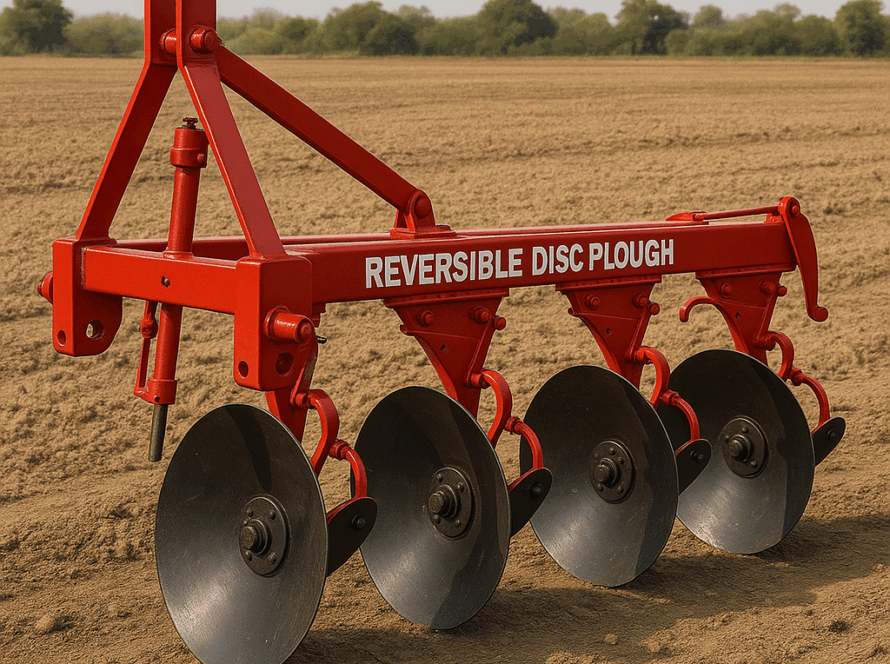
Many organic farmers in Punjab are returning to the practice of green manuring. By sowing crops like Jantar (Dhaincha) immediately after the wheat harvest or integrating it, the green matter, along with paddy stubble, can be mixed into the soil using a rotavator. This not only manages the stubble but significantly boosts soil nitrogen and water-holding capacity.
3. Ex-Situ Composting (Making Khaad off-field)
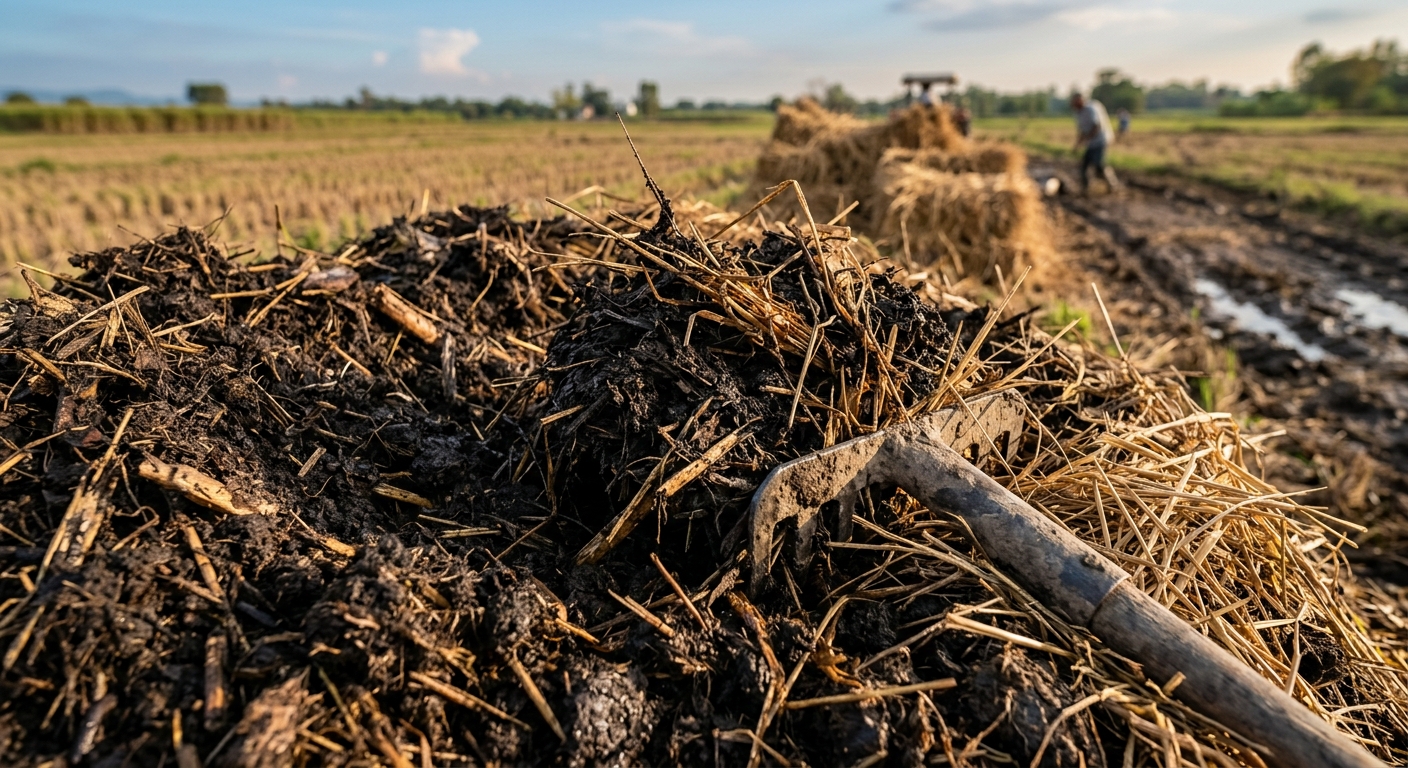
For those who prefer clearing the field, collecting the Parali and moving it to a composting pit is an excellent option. By layering the stubble with cow dung and a little water, it breaks down into high-quality organic compost over a few months. This compost can drastically reduce reliance on expensive synthetic fertilizers like urea and DAP in the next crop cycle.
The Direct Benefits of Organic Parali Management
- Cost Savings: Reduces the need to buy chemical fertilizers.
- Water Conservation: Soil rich in organic carbon holds moisture longer, requiring fewer irrigation cycles.
- Improved Yield: Healthy soil leads to stronger, disease-resistant crops.
- Government Support: Various schemes under the Punjab government provide subsidies for crop residue management machinery and organic composting pits.
Transitioning from burning to organic decomposition takes a slight shift in planning, but the long-term rewards for Punjab’s soil, water table, and the farmer’s pocket are unmatched.