For generations, farmers in Punjab have relied on traditional wisdom to grow the food that feeds the nation. In recent decades, chemical fertilizers took over. But today, top agricultural scientists and universities are pointing us back to a natural solution: Vermicompost (Kechwa Khaad).
Recent agricultural studies have revealed incredible new facts about how earthworm compost actually works at a microscopic level. Here is what the latest research means for your farm.
1. It is More Than Just Nutrients—It is “Living Soil”
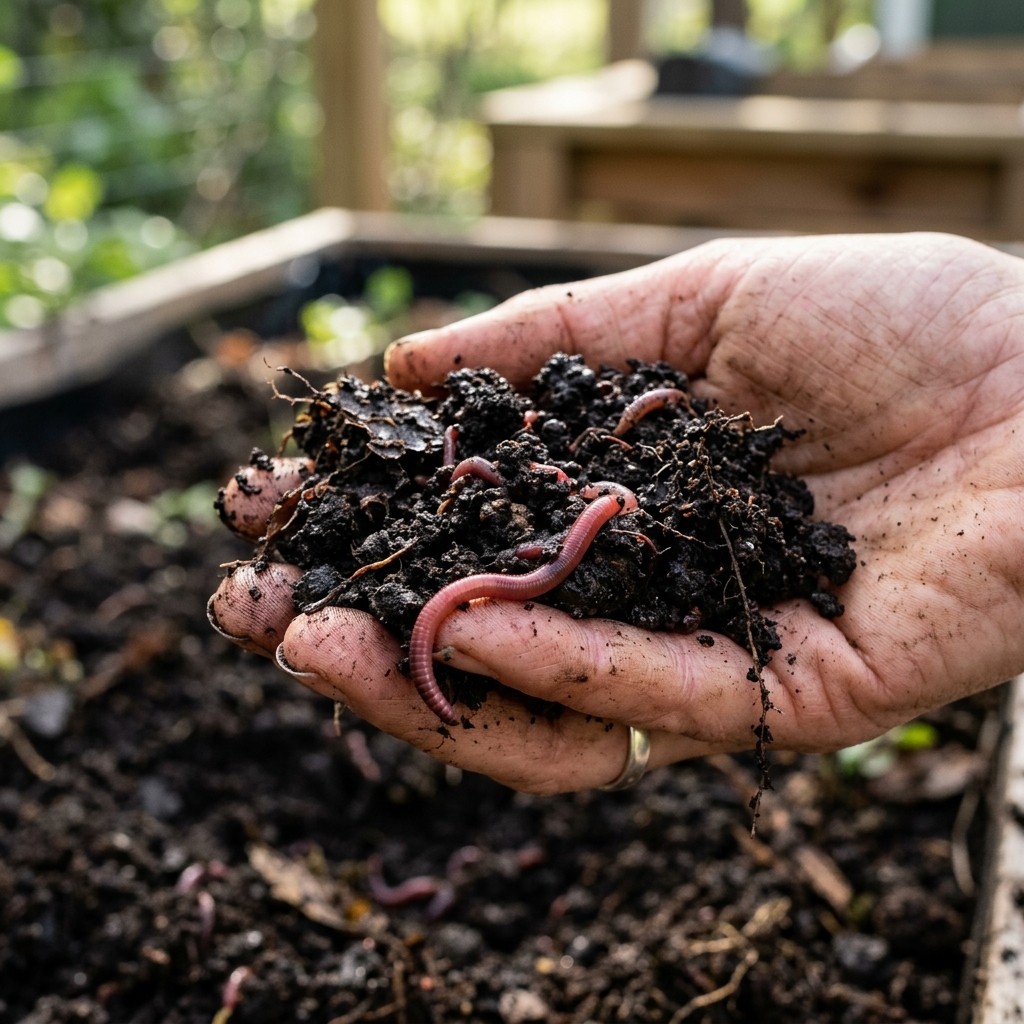
In the past, we measured fertilizer only by NPK (Nitrogen, Phosphorus, Potassium). However, recent studies show that vermicompost introduces millions of beneficial microbes into the soil. Research proves that these microbes act like a defense system for plant roots. They naturally fight off harmful soil diseases, meaning you spend less money on chemical fungicides.
2. Massive Water Savings (Crucial for Punjab)
With groundwater levels dropping across Punjab, water conservation is a top priority. Recent university trials demonstrated that soil treated with vermicompost can hold up to 30% more water than soil treated only with urea. The organic matter acts like a sponge. For wheat and paddy farmers, this means fewer irrigation cycles and lower electricity or diesel costs for tubewells.
3. Unlocking “Trapped” Phosphorus
One of the biggest discoveries in recent years is how vermicompost interacts with old chemicals in the soil. Years of DAP usage have left a lot of phosphorus locked in Punjab’s soil, unable to be absorbed by plants. Scientists found that the enzymes in earthworm castings actually unlock this trapped phosphorus, making it available to your crops again. You get the benefit of past fertilizers without adding more chemicals!
4. Higher Yields and Better Crop Quality
A multi-year study comparing chemical farming with integrated organic farming (using vermicompost) showed that while early yields are similar, the quality, grain weight, and market value of organically grown crops are significantly higher. Wheat grown with vermicompost showed higher protein content, which is exactly what buyers at AmbharTree are looking for.
The Bottom Line for AmbharTree Farmers
Science is finally catching up to what nature has always known. By starting a simple vermicompost bed on your farm, you are not just saving money—you are using cutting-edge agricultural science to rebuild your land.