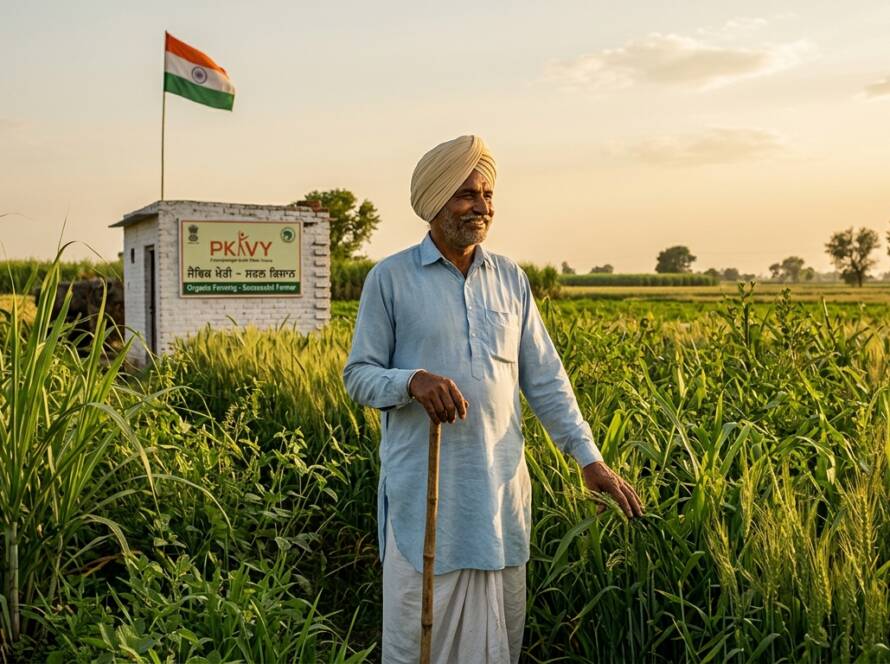
For decades, Punjab has been the food bowl of India, heavily relying on the traditional wheat-paddy cycle. However, the intensive cultivation of water-heavy paddy (rice) has pushed the state’s groundwater to alarmingly low levels. If we continue at this pace, many parts of Punjab will soon face severe water scarcity. The need of the hour is Crop Diversification—shifting towards highly profitable, low-water-consuming crops.
Why Move Away from Paddy?
Growing one kilogram of rice can consume up to 3,000 to 5,000 liters of water. In Punjab, where the monsoon is often unpredictable, farmers rely heavily on tubewells, rapidly draining the aquifers. Beyond water depletion, the continuous wheat-paddy cycle degrades soil health, reduces organic carbon, and increases reliance on expensive chemical fertilizers.
Profitable Organic Alternatives to Paddy
1. Millets (Shree Anna): Bajra and Jowar
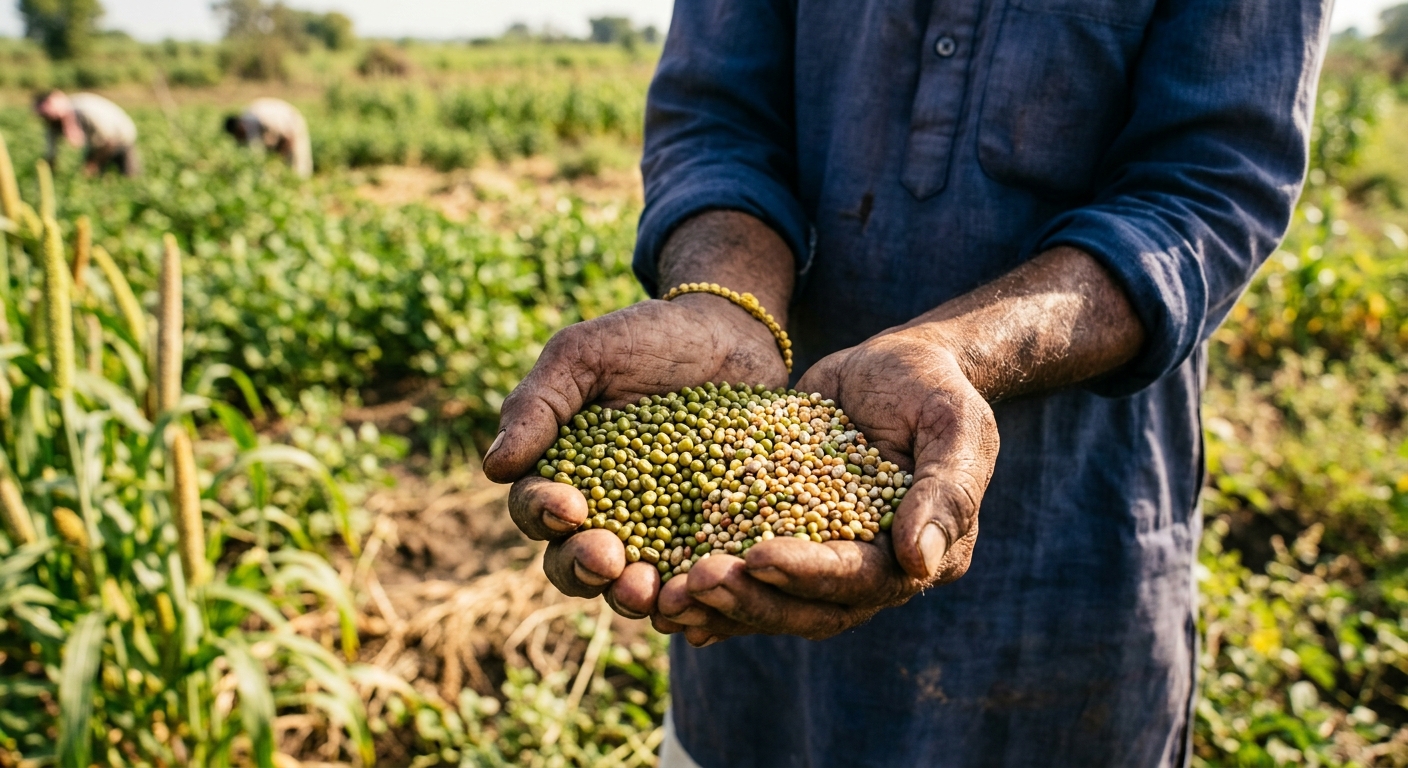
Millets are making a massive comeback worldwide due to their high nutritional value. Crops like Bajra (Pearl Millet) and Jowar (Sorghum) require a fraction of the water that paddy needs. They are highly resilient to climate change, require fewer fertilizers, and fetch premium prices in organic markets across India and abroad.
2. Pulses (Dal): Moong and Mash
Integrating short-duration pulses like Moong (Green Gram) between the main crop seasons acts as a natural soil healer. Legumes fix atmospheric nitrogen directly into the soil, reducing the need for synthetic urea for the subsequent wheat crop. They also require very minimal irrigation.
3. Oilseeds: Mustard and Sunflower
With India importing a massive amount of edible oils, cultivating mustard, sesame, and sunflower offers a lucrative market. Organic cold-pressed oils from these seeds are sold at premium rates in urban centers, making them a highly profitable venture for Punjab farmers.
4. High-Value Organic Basmati
If entirely moving away from rice isn’t immediately feasible, transitioning to Organic Basmati is a smart middle ground. Basmati takes slightly less water than regular paddy, especially when grown using Direct Seeding of Rice (DSR) techniques. Furthermore, chemical-free, organic Basmati is highly sought after in the export market.
Government Support for Diversification
The Punjab government and central schemes offer various financial incentives, subsidies, and minimum support prices (MSP) for farmers willing to diversify into maize, pulses, and oilseeds. Shifting away from paddy is not just about saving water; it’s about securing the future fertility of Punjab’s soil and maximizing farmer income.